


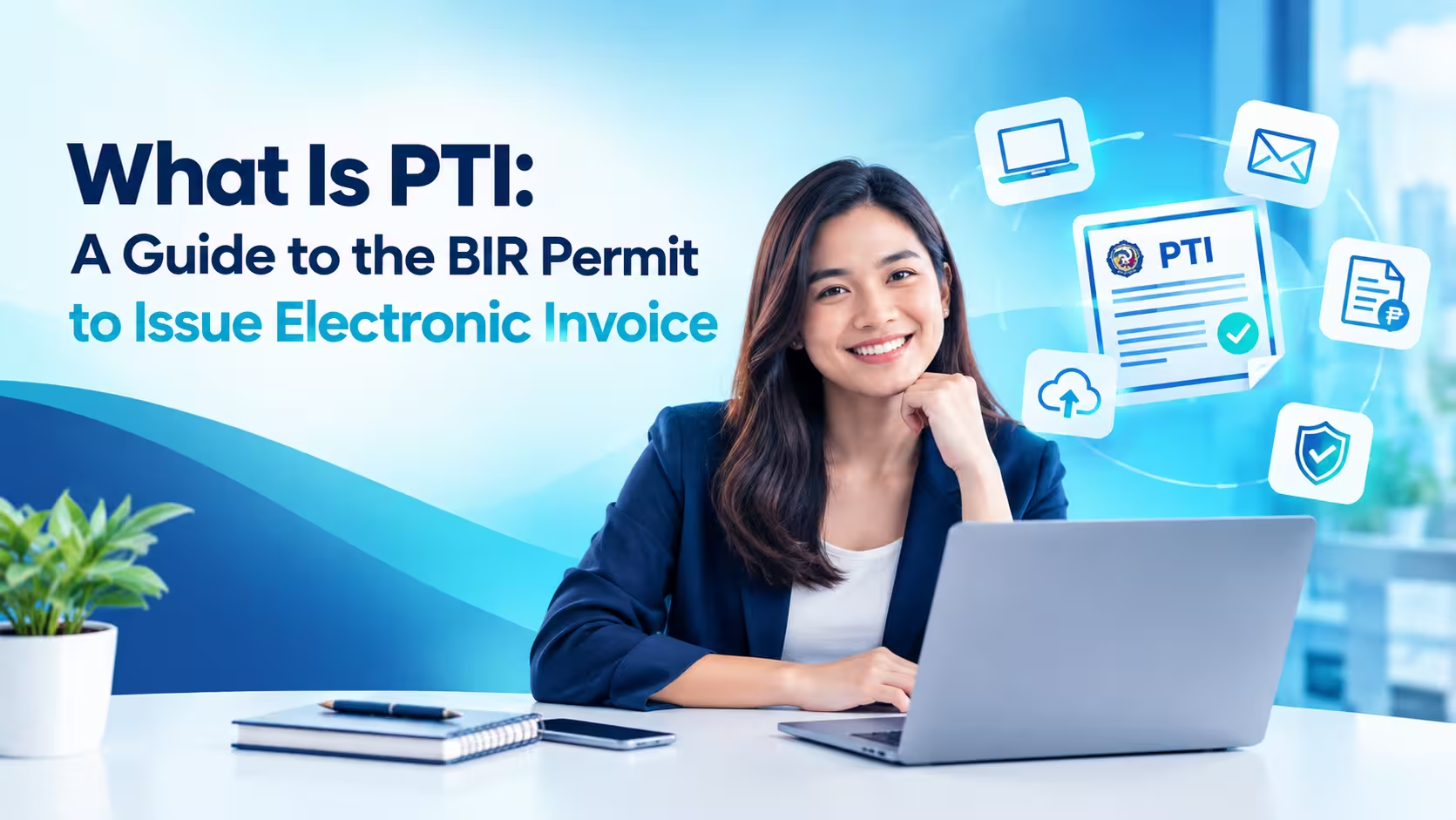
What Is PTI: A Guide to the BIR Permit to Issue Electronic Invoice
- QNE Software Philippines
- Published on
What Is PTI?
A Permit to Issue (PTI) Electronic Invoice is an authorization from the Bureau of Internal Revenue (BIR) that allows a taxpayer to issue electronic invoices through the invoicing system covered by the permit.
Under BIR Revenue Memorandum Circular (RMC) No. 98-2026, taxpayers covered by the circular must secure the applicable PTI before issuing electronic invoices. The permit identifies the taxpayer and the invoicing system covered by the authorization, subject to the applicable BIR requirements.
In simple terms, a PTI establishes a taxpayer’s authority to issue electronic invoices through its approved invoicing system. It is not a general certificate for an accounting software company, nor does one customer’s PTI automatically authorize every other business using the same software.
Understanding what a PTI covers helps businesses determine whether they need one, what their authorization applies to, and which other BIR requirements they may need to fulfill.
Who Needs to Secure a PTI?
Under RMC No. 98-2026, the mandatory PTI requirements cover specified taxpayer groups, including certain:
- Small, medium, and large e-commerce or internet businesses
- Taxpayers under the Large Taxpayers Service
- Taxpayers classified as Large under the applicable rules
- Users of covered Computerized Accounting Systems (CAS), Computerized Books of Accounts (CBA), or other invoicing software
- Tther taxpayers subsequently required by the Commissioner of Internal Revenue.
The circular excludes Micro taxpayers from its stated mandatory coverage. Covered taxpayers other than Micro are required to comply by December 31, 2026, according to the circular.
Taxpayers not currently covered may also consider voluntary adoption, subject to applicable BIR requirements and procedures.
However, businesses should not determine their obligations based on software use or business size alone. Their taxpayer classification, sales channels, invoicing arrangements, and applicable BIR rules should be considered together.
If you are unsure whether your business needs a PTI, confirm your classification and obligations with the appropriate BIR office or a qualified Philippine tax professional.
Why Is a PTI Important for Electronic Invoicing?
A PTI helps establish that a taxpayer has the required authority to issue electronic invoices through the system covered by its permit.
For businesses preparing for electronic invoicing, this distinction matters because having an invoicing feature in accounting software does not automatically satisfy the applicable authorization requirements.
Before issuing electronic invoices, businesses should understand three key considerations:
Taxpayer authorization
Whether the business has secured the required PTI.
System coverage
Whether the invoicing system being used matches the system covered by the permit.
Other compliance requirements
Whether additional requirements, including EIS Certification where applicable, must also be fulfilled.
An application submission, an existing CAS approval, or a software provider’s marketing claim should not be treated as a substitute for the authorization required by the BIR.
How Is PTI Different From Other BIR Authorizations?
PTI is not the same as a Permit to Use (PTU), an Acknowledgement Certificate (AC), EIS Certification, or Electronic Invoicing Service Provider (ESP) accreditation. Each serves a different purpose under the applicable BIR requirements.
- PTI: Authorizes a taxpayer to issue electronic invoices through the system covered by the permit.
- PTU or Acknowledgement Certificate (AC): Relates to a computerized accounting system under the applicable CAS rules.
- EIS Certification: Evaluates whether a taxpayer's system meets the applicable technical requirements for processing and transmitting electronic sales data.
- ESP accreditation: Relates to the accreditation of an electronic invoicing service provider and its covered solution.
These authorizations are not interchangeable. Which requirements apply depends on the taxpayer, the invoicing system, and the relevant BIR rules.
For a detailed breakdown of how these requirements differ and work together, read our guide:
What Is the Relationship Between PTI and EIS Certification?
PTI and EIS Certification are related but separate requirements.
PTI
The PTI establishes the taxpayer's authority to issue electronic invoices through the system covered by the permit.
EIS
EIS Certification evaluates whether the system can electronically extract, process, and transmit the required sales data in accordance with BIR technical standards.
According to RMC No. 98-2026, taxpayers required to issue electronic invoices must secure EIS Certification within six months from the PTI date. Failure to obtain certification within that period may be a ground for PTI revocation.
This means that securing a PTI may not be the end of the compliance process. Businesses required to obtain EIS Certification should plan for the applicable technical evaluation and certification timeline.
Confirm the current requirements, deadlines, and procedures with the BIR before making changes to your invoicing workflow.
How Do Branches and Different Invoicing Systems Affect PTI Coverage?
PTI coverage depends on the taxpayer, the approved invoicing system, and the applicable business locations identified in the permit.
RMC No. 98-2026 provides for PTI issuance to the head office and each separate branch, with the relevant branch identified. Where different invoicing systems are used for different branches, offices, or business segments, separate PTIs may be required for each distinct system.
However, adding a branch that uses the same approved invoicing system does not necessarily require a new PTI number. The circular describes a notification procedure for such branch additions.
Businesses should also consider system changes. A change to the invoicing system’s identity, name, platform, or other core details—including migrating to or replacing an existing system—may require a new or amended PTI.
Before adding a branch or switching software, confirm the required procedure with the appropriate Revenue District Office (RDO) or Large Taxpayer office. Do not assume that an existing PTI automatically covers a new system or configuration.
What Should Businesses Check About Their PTI?
Before issuing electronic invoices, businesses should confirm whether they are required to secure a PTI and understand what their permit covers.
Here are three important things to verify:
- Authorization: Has the required PTI been obtained?
- System coverage: Does the permit cover the invoicing system and applicable business locations?
- Other requirements: Does the business also need EIS Certification or other applicable BIR authorizations?
Businesses evaluating accounting software should separately verify the system’s current capabilities and regulatory status with the provider and the BIR. Having accounting software does not automatically mean a taxpayer is authorized to issue electronic invoices.
Preparing Your Business for Electronic Invoicing
Understanding the BIR Permit to Issue (PTI) Electronic Invoice is one step in preparing your business for applicable electronic invoicing requirements. QNE Software Philippines has published its CEO commitment to BIR e-invoicing readiness, outlining its commitment to preparing and enhancing its accounting solutions to support applicable BIR requirements.
Explore N3 E-invoicing Solution to learn more about its accounting and invoicing capabilities, or contact QNE Software Philippines to discuss your business needs.
Frequently Asked Questions About PTI Applications
What is PTI in electronic invoicing?
PTI stands for Permit to Issue Electronic Invoice. It is a BIR authorization for a taxpayer to issue electronic invoices through the invoicing system covered by the permit, subject to applicable BIR requirements.
Who needs a PTI in the Philippines?
Under RMC No. 98-2026, specified taxpayer groups must secure a PTI, including certain e-commerce or internet businesses, Large Taxpayers, and users of covered computerized accounting or invoicing systems. Micro taxpayers are excluded from the circular’s stated mandatory coverage. Businesses should verify their classification and applicable obligations with the BIR.
Is PTI the same as PTU?
No. A PTI authorizes a taxpayer to issue electronic invoices through the system covered by the permit. A PTU or Acknowledgement Certificate relates to a computerized accounting system under the applicable CAS rules and does not, by itself, authorize electronic invoice issuance.
Does a PTI belong to the taxpayer or the software provider?
The PTI is the taxpayer’s authority to issue electronic invoices through the system covered by the permit. A software provider may assist with the process, but its software or service does not automatically authorize every customer to issue electronic invoices.
Does one PTI cover multiple branches and invoicing systems?
Not necessarily. PTI coverage depends on the approved system and applicable business locations. Different invoicing systems may require separate permits, while adding a branch using the same approved system may follow a notification procedure. Confirm the requirements for your setup with the BIR.
Is PTI the same as EIS Certification?
No. PTI establishes the taxpayer’s authority to issue electronic invoices through the covered system, while EIS Certification evaluates the system’s ability to process and transmit required sales data under applicable BIR technical standards. Where both are required, one does not replace the other.
When should a taxpayer obtain EIS Certification after PTI issuance?
According to RMC No. 98-2026, taxpayers required to issue electronic invoices must secure EIS Certification within six months from the PTI date. Businesses should confirm the applicable requirements and timeline with the BIR.
Does ESP accreditation replace the taxpayer's PTI?
No. ESP accreditation relates to the service provider and its covered electronic invoicing solution. The taxpayer must still comply with its own PTI and EIS Certification requirements, where applicable.
Prepare Your Business for Electronic Invoicing
Get ready for evolving BIR e-invoicing requirements with N3 E-invoicing Solution
Related Articles
Explore more guides to help you navigate accounting, tax compliance, and e-invoicing.
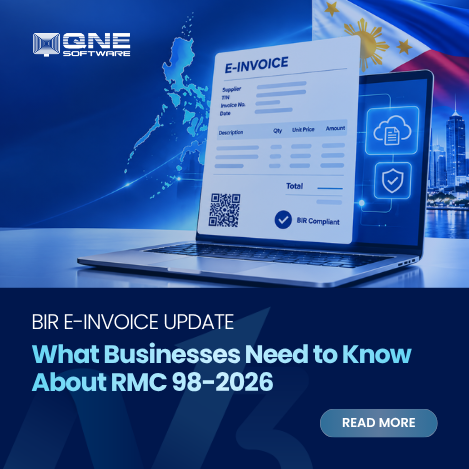
Electronic Invoicing Philippines: What Businesses Need to Know About RMC 98-2026
Learn what electronic invoicing in the Philippines means under BIR RMC No. 98-2026, including who needs to comply, key requirements,...
Read MoreMore insights for your business?