



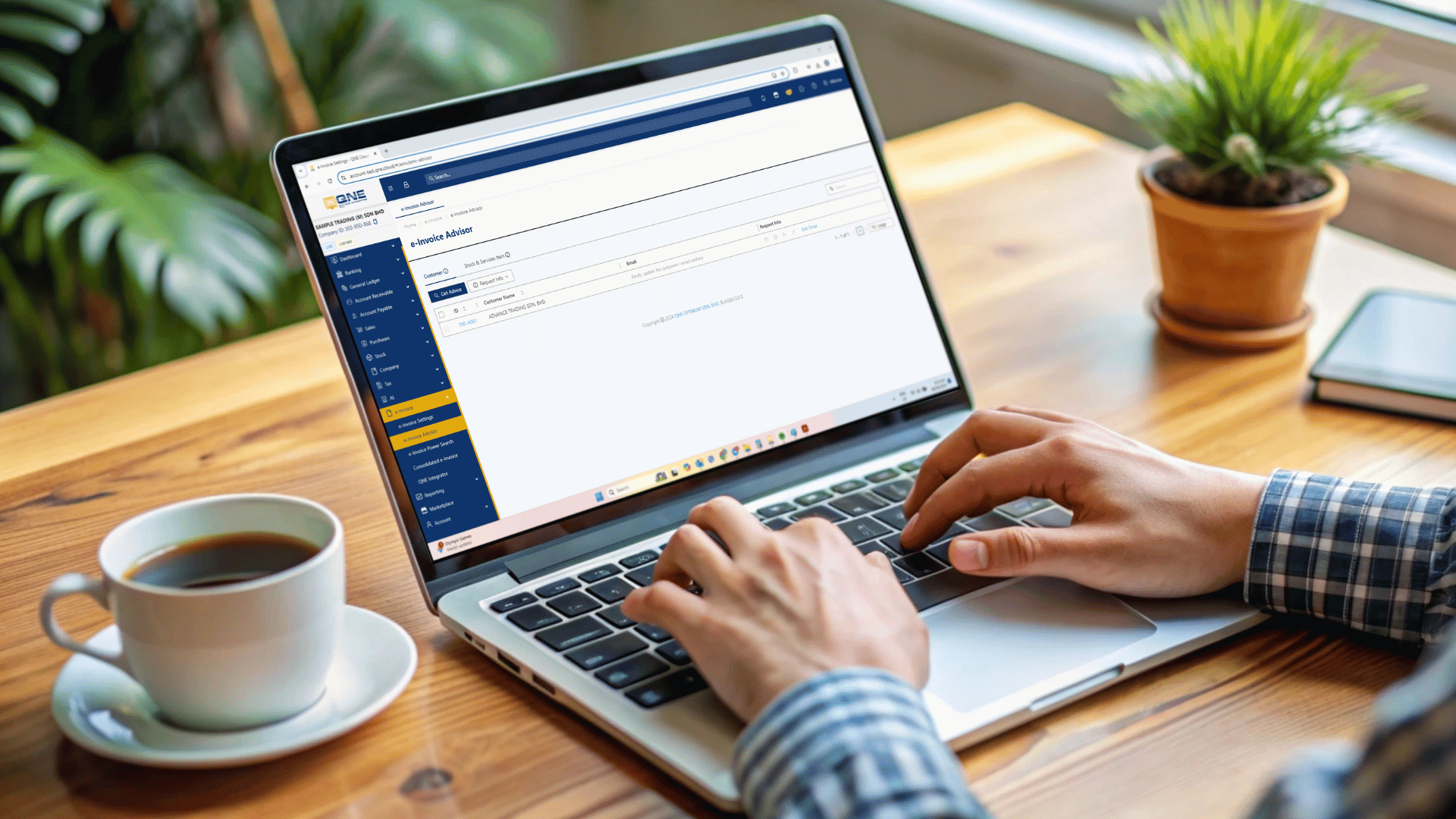
Your # 1Accounting System Malaysia – TPE, SME: How To Choose Your Accounting System Malaysia?
Accounting System Malaysia – TPE, SME: how to choose your accounting system?
Accounting system – Whether the manager of an SME or VSE type company decides to internalize his accounting or entrusts it to a chartered accountant firm, it is in his interest to equip himself with the accounting system. Find out how to make the right choice among the accounting system available on the market.
Choose an accounting system adapted to the tax regime of your company

Not all accounting system offers the same functionality. This software is therefore adapted according to the size of the company and its tax regime. An entrepreneur in micro-enterprise will have to mention his quotes and invoices the deductible in the basis of VAT which is not the case in a SARL or a SASU for example. You can then do the first sorting according to the type of business targeted by the publishers of the accounting system.
Take stock with your accountant
Your accountant will have software for different organizations like a man and van company, transportation companies, etc, but you will also need to equip yourself. Indeed this software will allow you to edit your commercial documents, quotes, invoices, etc. You can also manage your cash flow and use the dashboards generated by your software to manage your business.
Prefer software compatible with that of your accountant for more fluidity in your exchanges. This should be facilitated if you choose to entrust the engagement letter to a chartered accountant specializing in VSEs and SMEs.
The functionalities of the accounting system
Now that you have selected your accountant and defined his missions with him, you can list the features you need. Your software must be adapted to your sector of activity, adapted to your IT equipment (PC or Mac), and offer the functionalities that you have identified as necessary (edition of quotes, invoices, VAT declaration, etc.).
I’d also think about the possibility of creating several user accounts and the need to integrate your bank details. If you plan to hire staff or if you already have employees, a payroll management module is also necessary.
Test several accounting systems
At this stage, you will have compiled a list of an accounting systems that may suit your business needs. This QNE software generally offers trial periods without obligation. Do not hesitate to take advantage of this time to test the different software to choose the one with which, with equal functionality, you will feel most comfortable.
Choosing the Best Accounting System Malaysia: A Comprehensive Guide for SMEs
In the dynamic and ever-evolving Malaysian business landscape, having a robust and compliant accounting system is no longer a luxury but a fundamental necessity. For Small and Medium-sized Enterprises (SMEs), the backbone of the nation’s economy, the right Accounting System Malaysia can be the difference between streamlined success and administrative chaos. With the Malaysian government’s progressive push towards digitalization, culminating in the mandatory implementation of e-invoicing, the selection of an appropriate accounting software has become more critical than ever. This guide will provide a comprehensive overview of what to look for in an Accounting System Malaysia, ensuring your business is not only compliant with the latest regulations but also poised for future growth.
Understanding the Malaysian Financial Landscape
Navigating the financial and regulatory environment in Malaysia requires a clear understanding of the key governing bodies and the taxation system. The Inland Revenue Board of Malaysia (LHDN) is the primary agency responsible for direct tax administration, including corporate and individual income tax. Additionally, the Royal Malaysian Customs Department oversees indirect taxes, most notably the Sales and Service Tax (SST), which replaced the Goods and Services Tax (GST) in 2018. An effective Accounting System Malaysia must be designed to seamlessly integrate with the requirements of these authorities, automating compliance and minimizing the risk of costly errors. The self-assessment system in Malaysia places the onus on companies to accurately calculate and remit their taxes, making a reliable accounting system an indispensable tool for every business.
The E-Invoicing Mandate: A Game Changer for Malaysian Businesses
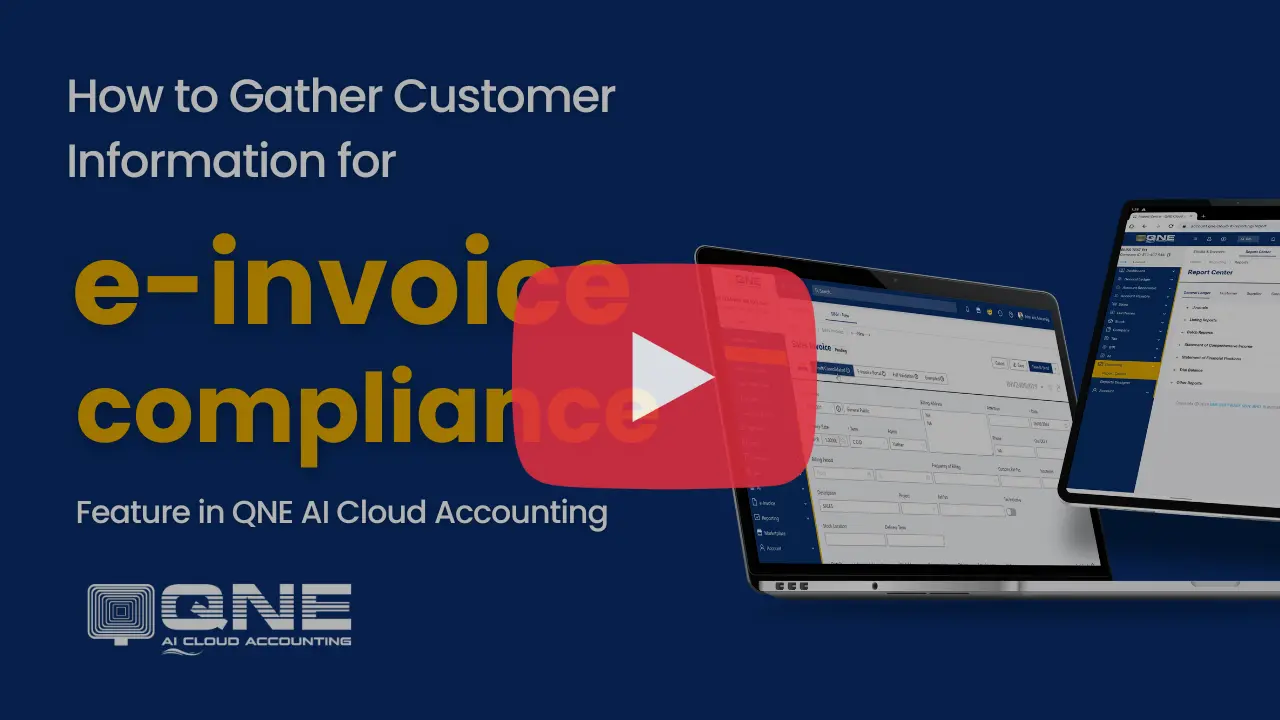
The most significant recent development in Malaysian financial regulation is the phased implementation of mandatory e-invoicing. Starting from January 1, 2026, businesses with an annual turnover between RM1 million and RM5 million will be required to adopt e-invoicing, with a grace period extending to the end of the year. This initiative is a clear signal of the government’s commitment to digital transformation and tax transparency. For businesses, this means that traditional paper or PDF-based invoices will no longer be sufficient. Instead, invoices must be generated in a structured digital format and transmitted to the LHDN’s MyInvois portal for validation. A compliant Accounting System Malaysia is therefore essential to facilitate this process, ensuring that all e-invoices are correctly formatted, validated, and archived.
Essential Features of a Modern Accounting System Malaysia
- LHDN-Approved E-Invoicing: This is non-negotiable. The system must be able to generate and transmit e-invoices in the format specified by the LHDN, ensuring full compliance with the new mandate.
- SST Compliance: The software should automate the calculation and reporting of SST, differentiating between taxable and non-taxable goods and services.
- Real-Time Financial Reporting: Access to up-to-date financial data is crucial for informed decision-making. A good Accounting System Malaysia will provide real-time dashboards and reports on key metrics such as cash flow, profitability, and accounts receivable.
- Cloud-Based Accessibility: A cloud-based accounting solution offers the flexibility to access your financial data from anywhere, at any time. This is particularly beneficial for business owners who are often on the move.
- Scalability: As your business grows, your accounting needs will evolve. Choose a system that can scale with you, offering more advanced features and accommodating a higher volume of transactions.
- Integration Capabilities: The ability to integrate with other business tools, such as payroll software, inventory management systems, and customer relationship management (CRM) platforms, can significantly enhance efficiency.
- User-Friendly Interface: An intuitive and easy-to-navigate interface will reduce the learning curve for your team and minimize the risk of user error.
Benefits of Adopting a Cloud-Based Accounting System Malaysia
The move towards cloud-based solutions is a global trend, and for good reason. A cloud-based Accounting System Malaysia offers a multitude of benefits over traditional desktop software. The most significant advantage is the elimination of manual data entry and the associated risk of human error. With a cloud system, data is automatically synced across all devices, ensuring that you are always working with the most current information. Furthermore, cloud accounting software providers are responsible for maintaining and updating the system, so you can be confident that your Accounting System Malaysia is always compliant with the latest tax laws and regulations. This frees up valuable time and resources that can be better spent on growing your business.
How to Choose the Right Accounting System Malaysia for Your Business
Conclusion
In conclusion, the importance of a sophisticated Accounting System Malaysia cannot be overstated. The impending e-invoicing mandate, coupled with the complexities of the Malaysian tax system, makes it imperative for businesses to adopt a solution that is both compliant and efficient. By carefully considering the features, benefits, and selection criteria outlined in this guide, SMEs can confidently choose an Accounting System Malaysia that will not only meet their current needs but also support their long-term growth and success in the digital age.
The Role of Accountants in the Digital Age
Navigating the Sales and Service Tax (SST )
The reintroduction of the Sales and Service Tax (SST) in 2018 brought about a new set of compliance challenges for Malaysian businesses. Unlike the GST, which was a broad-based consumption tax, the SST is a more targeted tax that applies to specific goods and services. This means that businesses need to have a clear understanding of which of their products and services are subject to SST. An effective accounting system will have a built-in SST module that can automatically calculate and apply the correct tax rates. This not only saves time but also minimizes the risk of non-compliance. The system should also be able to generate SST-compliant invoices and reports, making it easy to file your SST returns with the Royal Malaysian Customs Department.