







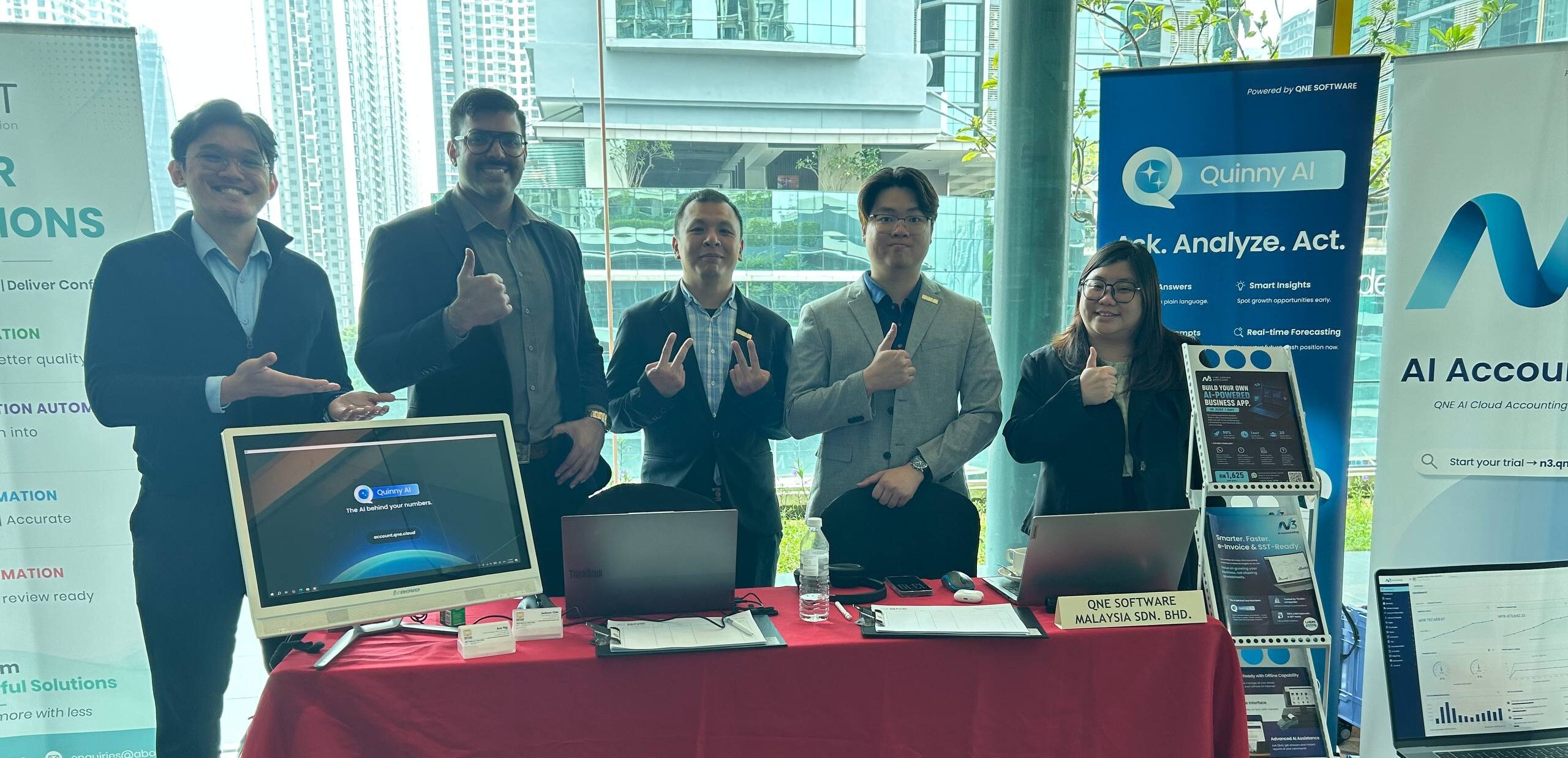
MIA SMP 2026: Four Lessons for the Future of SMPs
- QNE Software Malaysia
- Published on
The accounting profession is changing.
But for Small and Medium Practices (SMPs), the bigger question is not simply, “How do we keep up?”
It is: “How do we become more valuable in a profession that is changing faster than ever?”
Clients increasingly expect more than accurate financial statements, accounting and compliance services. They need trusted professionals who can help them navigate complexity, improve their operations, manage risk and make better business decisions.
At the same time, SMPs are navigating new technologies, evolving regulatory expectations, changing client needs and a workforce with different expectations about careers and the workplace.
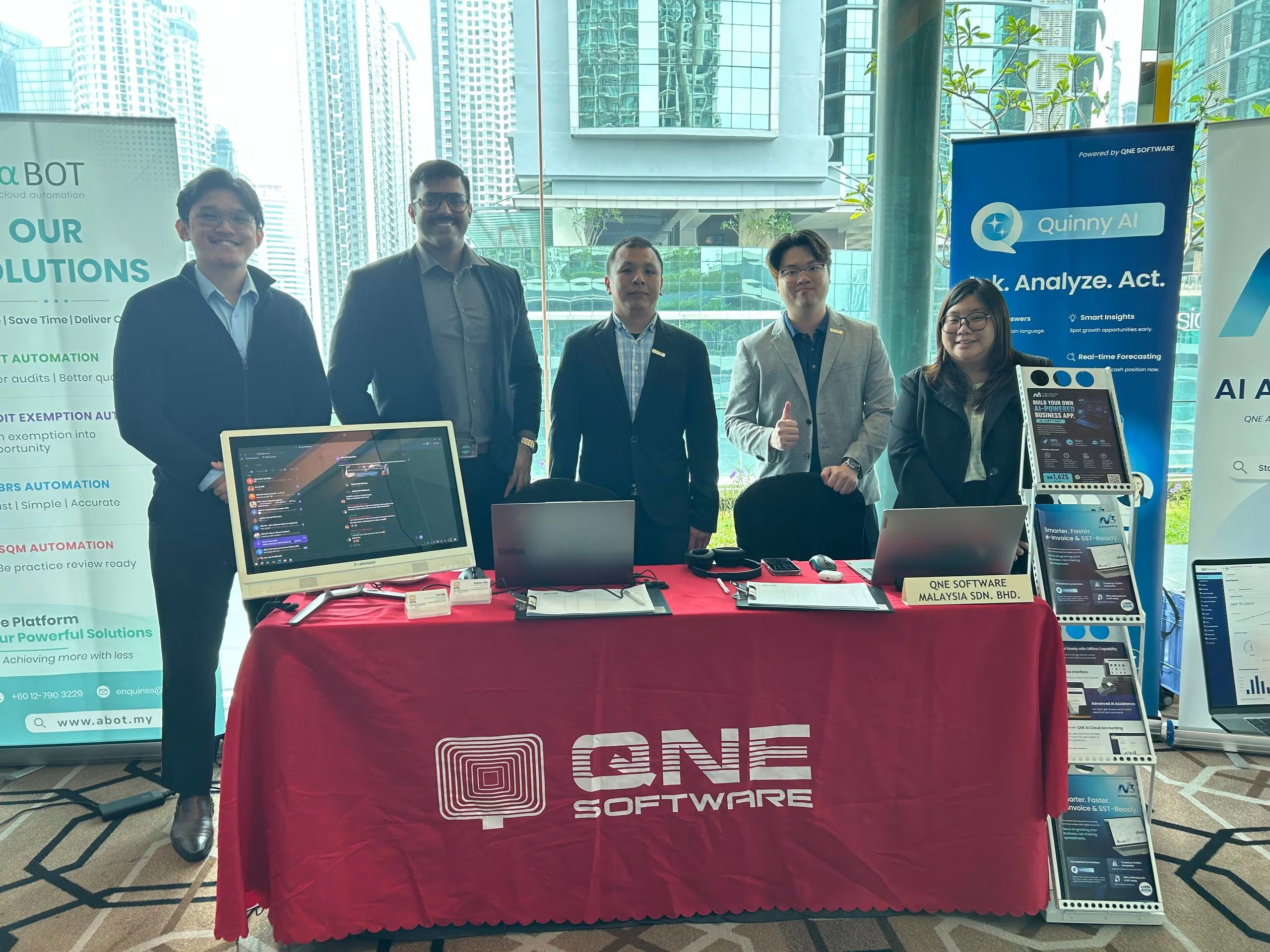
At Malaysian Institute of Accountants (MIA) SMP 2026, these challenges came into focus through discussions about the future of the profession. One important contribution came from QNE Software’s Shirley Choong, who shared insights into how AI, automation and strategic thinking can help SMPs build stronger and more adaptable firms.
Across the event, four key shifts stood out:
Build better systems. Create new value. Strengthen trust. Develop people.
These are not four separate priorities. Together, they point to a bigger question for SMPs: What capabilities will firms need to remain relevant in a changing profession?
1. Don’t Just Use AI. Build a Better Firm With It.
Insights from QNE’s Shirley Choong
Artificial intelligence is changing how professional services are delivered.
For SMPs, however, the opportunity is bigger than using AI to write emails, summarise documents or complete individual tasks faster.
The more important question is:
How can technology help build a firm that is more efficient, capable and ready for growth?
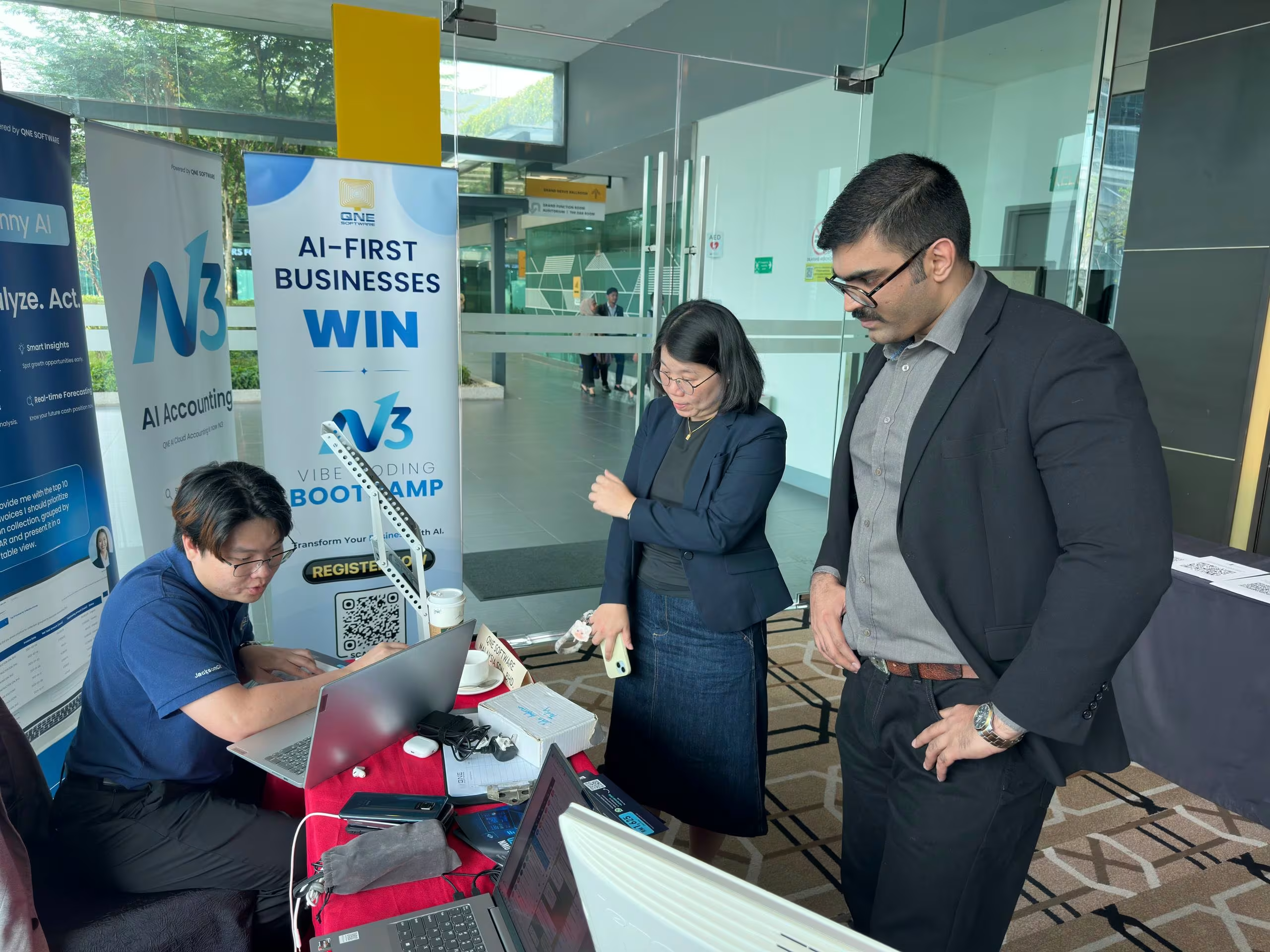
During MIA SMP 2026, Shirley Choong of QNE shared insights into how AI, automation and vibe coding can support the future development of SMPs.
AI can help SMPs move beyond individual productivity and build capabilities that benefit the wider firm. With the right systems in place, professional knowledge can be turned into structured workflows, internal knowledge systems, customised applications and reusable processes. AI accounting software can support this shift by helping firms automate repetitive tasks while creating more consistent and efficient ways of working.
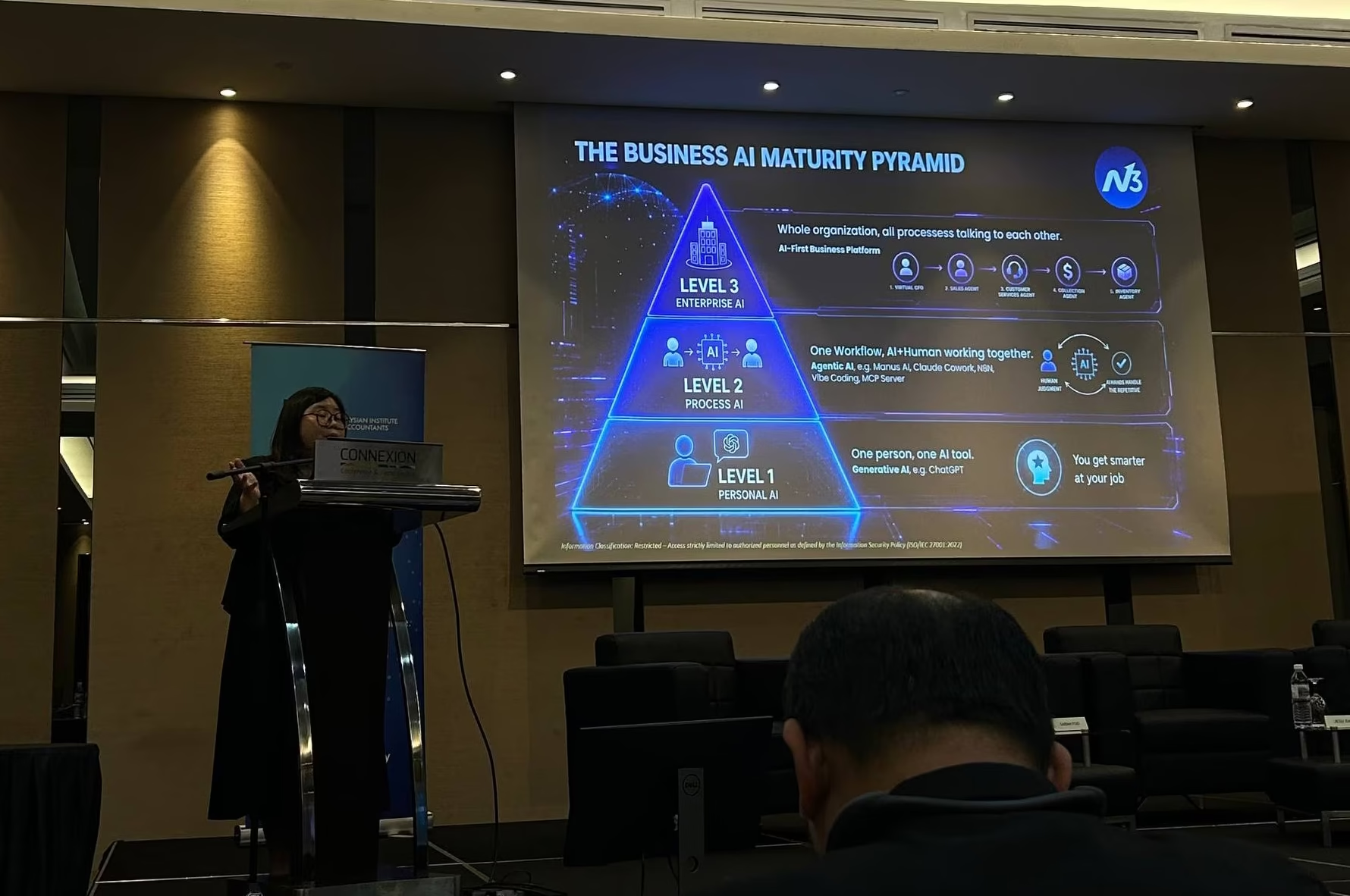
IN PHOTO: QNE Software’s Shirley Choong shares insights on AI, automation, and the future of Small and Medium Practices at MIA SMP 2026.
From Individual Knowledge to Firm-Owned Capability
Many professional firms depend heavily on the experience and judgment of specific individuals.
That expertise is valuable. But what happens when the person who holds that knowledge leaves, changes roles or becomes unavailable?
Without proper documentation and systems, valuable knowledge can remain difficult to access—or disappear with the individual.
AI and automation create opportunities to turn professional knowledge into reusable firm capabilities, including:
1. Structured workflows
2. Review checklists
3. Internal knowledge systems
4. Customised applications
5. Automated processes
6. Management dashboards
7. Standardised operating procedures
The objective is not to replace professional judgment.
It is to capture, strengthen and extend the expertise already within the firm.
When knowledge becomes part of the firm's systems, it can be shared more consistently, applied across teams and used to support future growth.
From Personal AI to Enterprise AI
The next stage of AI adoption also goes beyond individual productivity.
Employees may already be using AI to write, analyse information or automate tasks. But firms also need to consider how these tools can work across teams, connect with existing workflows and support better organisational decision-making.
That means thinking about:
1. Data confidentiality
2. Access controls
3. Governance
4. Workflow integration
5. Knowledge management
6. Security
7. Accountability
The future is not about having more AI tools.It is about building a smarter firm.
The takeaway
AI becomes more valuable when it strengthens the organisation—not just the individual.
Whether an SMP chooses to scale, specialise, collaborate or remain a focused boutique practice, its people, processes, technology and governance need to support the direction it wants to take.
AI should not just help your people work faster. It should help your firm become better.
2. Don’t Wait for Sustainability to Become a Requirement
Building Sustainability Advisory and Assurance Services
Sustainability reporting may have started as a priority for larger organisations, but its influence is increasingly reaching smaller businesses through the supply chain.
An SME may not be directly required to produce a sustainability report. However, it may still need to provide sustainability-related information to:
- Retain major customers
- Obtain financing
- Enter export markets
- Qualify for tenders
- Meet supply-chain requirements
For SMPs, this changing environment presents more than a compliance consideration.
It can also create an opportunity to expand the services they provide to clients.
Accountants Already Have Valuable Foundations
Sustainability reporting is not simply about preparing a report.
Credible sustainability information depends on reliable data, consistent measurement, internal controls, governance and proper processes—areas where accounting professionals already have relevant knowledge and experience.
By developing sustainability capabilities, SMPs can build on their existing expertise to support clients in areas such as:
- Sustainability data collection
- Reporting processes
- Internal control reviews
- ESG-related advisory
- Governance support
- Assurance readiness
The opportunity is to help clients understand not only what they need to report, but also how to build reliable systems behind the information.
This allows SMPs to move beyond traditional compliance work and become more involved in helping clients respond to emerging business expectations.
The takeaway
Sustainability can become more than another reporting requirement. It can become an opportunity for SMPs to deepen client relationships and develop new advisory capabilities.
The next opportunity may not come from a new client. It may come from helping an existing client solve a new problem.
3. Compliance Is Not a Checkbox. It’s a Culture.
AMLA Amendments and the 2026 DCR Declaration
As the profession evolves, regulatory expectations continue to demand greater attention.
Discussions around recent amendments to the Anti-Money Laundering, Anti-Terrorism Financing and Proceeds of Unlawful Activities Act (AMLA), together with updates to the 2026 Data and Compliance Report (DCR) declaration requirements, highlighted the importance of stronger compliance practices.
For reporting institutions, compliance involves more than completing a declaration.
It requires proper procedures, reliable records, effective internal controls and clear accountability.
What This Means for SMPs
Accounting professionals need to understand how regulatory developments affect their own practices and the clients they serve.
Important areas for review include:
- Customer due diligence
- Sanctions screening
- Record-keeping
- Internal controls
- Reporting procedures
- Staff responsibilities
- Management oversight
Compliance should not be treated as an annual administrative task.
It needs to be embedded into everyday operations.
That means firms need clear procedures, properly assigned responsibilities and reliable documentation that demonstrates how compliance requirements are being managed.
Building Compliance Into the Firm
Strong compliance is ultimately about more than avoiding regulatory problems.
It is about creating an organisation where people understand their responsibilities, processes are consistently followed and management has visibility over how risks are being handled.
Sanctions screening, documentation, internal controls and reporting procedures should therefore form part of the firm’s operating culture rather than exist as isolated administrative activities.
The takeaway
Good compliance is not simply about avoiding penalties. It is about building trust that lasts.
For SMPs, stronger compliance capabilities can also create opportunities to provide more valuable advisory and risk-management support to clients.
4. Your Firm’s Greatest Asset Is Its People
Building the Future SMP Workforce
Technology may be changing the profession, but people remain at the centre of every successful accounting practice.
For many SMPs, attracting and retaining capable professionals remains one of the biggest challenges.
The talent landscape is being influenced by:
- A changing supply of accounting graduates
- Workload and regulatory pressure
- Workplace flexibility
- Career progression
- Organisational culture
- Employee wellbeing
These challenges become particularly important as professionals progress into assistant-manager and manager roles.
At this stage, firms need people who can lead teams, manage clients, deliver quality work and contribute to business growth.
Why Are People Leaving?
Young professionals increasingly want to understand:
- Where their careers are heading
- How their performance will be measured
- What opportunities exist for development
- Whether their work is meaningful
- How the organisation supports their wellbeing
For SMPs, this can be both a challenge and an opportunity.
Smaller practices may not always compete with larger organisations on size or resources. But they can offer something equally valuable: opportunity and visibility.
Employees may have:
- Direct access to partners
- Earlier exposure to clients
- Broader responsibilities
- Greater visibility within the firm
- Faster opportunities to develop leadership skills
These advantages can give SMPs a strong proposition for professionals who want meaningful responsibility and career growth.
But those advantages need to be supported by a clear career structure and a workplace culture that values people.
The takeaway
Retaining experienced professionals is not simply an HR responsibility. It is a strategic priority.
A firm needs people who can lead teams, manage complexity and contribute to long-term growth. And employees need to see a future for themselves within the organisation.
A firm cannot build a sustainable future if its people cannot see a future within the firm.
Four Challenges. One Strategic Question.
At first glance, AI, sustainability, compliance and talent may seem like four separate conversations.
But taken together, they point to one fundamental question:
Can SMPs build the capabilities they need to remain valuable in a changing profession?
Consider how these priorities connect:
THE CHALLENGE
- AI and automation
- Sustainability
- Regulatory compliance
- Talent
The Capability SMPs Need
- Better systems and firm-owned knowledge
- New advisory and assurance expertise
- Stronger controls and accountability
- Clear development pathways and leadership capabilities
Technology without people will not deliver sustainable growth.
People without effective systems may struggle to scale.
New services without the right expertise may create unnecessary risk.
And growth without governance can weaken a firm over time.
The future therefore requires a more connected approach:
People. Process. Technology. Governance.
These capabilities need to work together.
What Should SMPs Do Next?
The discussions at MIA SMP 2026 offer several practical questions for firms to consider.
1. Review Your Firm’s Capabilities
What can your team already do well?
Where are the gaps?
Identify areas where additional training, technology or expertise may be needed.
2. Look Beyond Traditional Services
Are clients asking about sustainability, compliance, digitalisation or business improvement?
Consider how your existing expertise can be developed into new advisory opportunities.
3. Turn Knowledge Into Systems
Identify processes that depend heavily on individual employees.
Consider how documentation, automation and AI can help preserve knowledge, improve consistency and make expertise more accessible across the firm.
4. Strengthen Your Talent Strategy
Do employees understand their career pathways?
Are experienced professionals being prepared for leadership?
Does the workplace provide meaningful opportunities for development?
5. Define Your Firm’s Direction
Are you planning to scale, specialise, collaborate or remain a focused boutique practice?
Once the direction is clear, align your people, processes and technology accordingly.
The Future Belongs to Firms That Keep Evolving
The future of SMPs will not be determined by one regulation, one technology or one business strategy.
It will be shaped by how effectively firms respond to change.
AI can help firms preserve knowledge and build better systems.
Sustainability can create new advisory opportunities.
Regulatory developments demand stronger controls and accountability.
Talent remains essential to long-term success.
But none of these opportunities can be addressed in isolation.
The firms that thrive will be those that combine professional expertise with adaptable systems, strong people and a clear strategic direction.
The goal is not simply to do more work.
It is to create more value, build stronger organisations and remain relevant to clients in a changing world.
As the profession continues to evolve, one question is worth asking: Is your firm preparing for the future—or simply reacting to it?
Build a More Future-Ready Practice With QNE Software
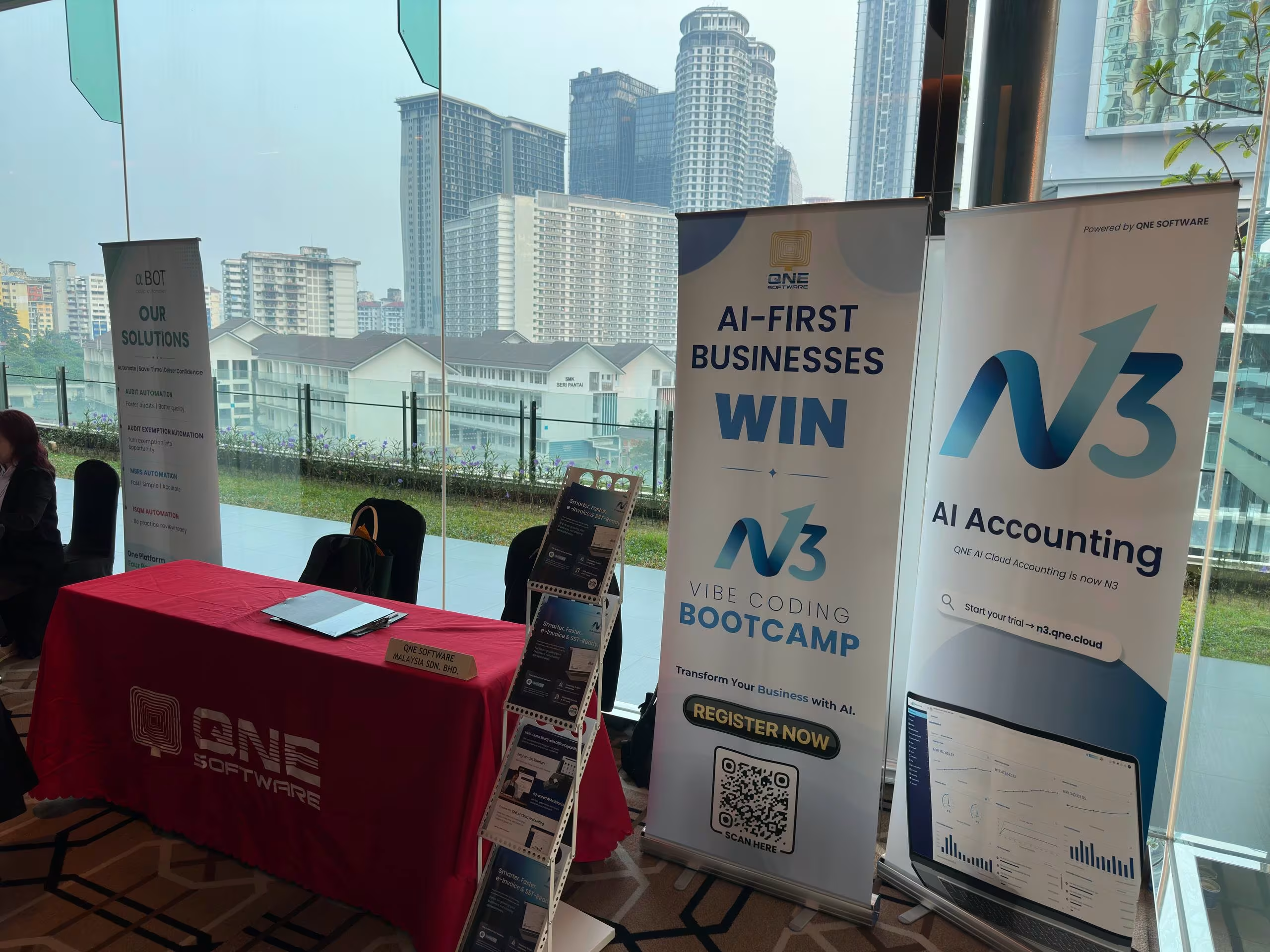
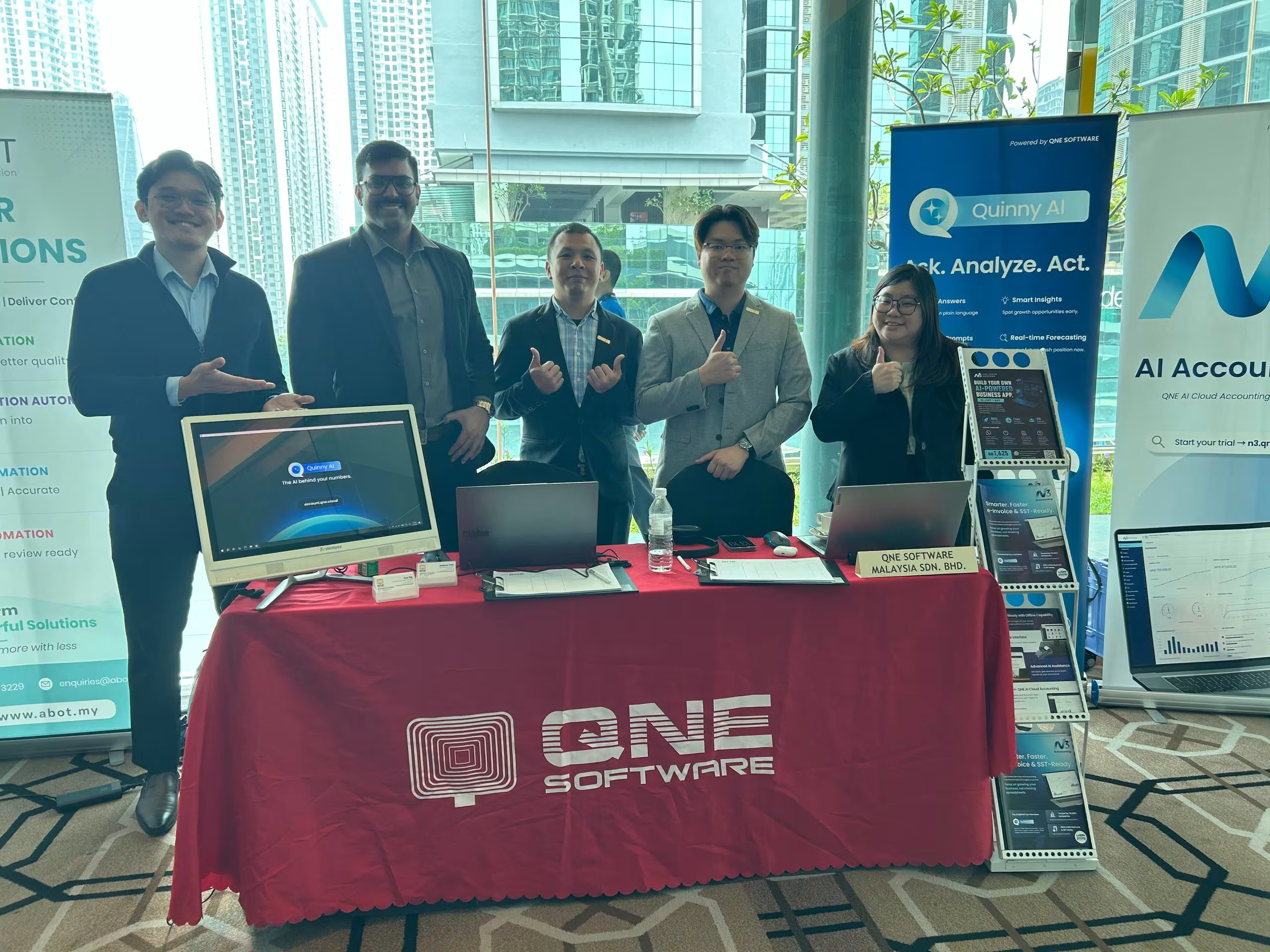
The future of accounting is being shaped by new expectations, emerging technologies and changing client needs.
At QNE Software, we believe technology should help accounting professionals work smarter, preserve valuable knowledge and focus on delivering greater value to their clients.
Whether you are exploring AI accounting, workflow automation or new ways to strengthen your firm’s operations, the first step is understanding what is possible.
Frequently Asked Questions (FAQs)
What is MIA SMP 2026?
MIA SMP 2026 is an event focused on the challenges, opportunities and evolving priorities facing Small and Medium Practices (SMPs). The discussions covered areas including AI and automation, sustainability, regulatory compliance, business growth and talent development.
What were the key lessons from MIA SMP 2026?
The key themes from MIA SMP 2026 highlighted four areas that can shape the future of SMPs: building better systems with AI and automation, developing sustainability-related opportunities, strengthening compliance practices, and investing in people and talent.
How can AI help SMPs according to the insights from MIA SMP 2026?
The MIA SMP 2026 discussions highlighted that AI can go beyond individual productivity. SMPs can use AI and automation to turn professional knowledge into structured workflows, internal knowledge systems, customised applications and other reusable capabilities that can support the wider firm.
Why is sustainability becoming an opportunity for SMPs?
Sustainability requirements can affect SMEs through customers, financing, tenders, export markets and supply-chain relationships. The MIA SMP 2026 discussions highlighted how SMPs can build on their existing accounting, reporting, internal control and assurance expertise to develop sustainability-related advisory and assurance capabilities.
Why is talent important to the future of SMPs?
Talent remains essential to the long-term success of SMPs. Insights from MIA SMP 2026 highlighted the importance of career development, workplace culture, leadership opportunities and employee retention. SMPs can also use their smaller size as an advantage by offering professionals greater visibility, broader responsibilities and earlier exposure to clients and leadership.